
Hops: The Architect of Flavour
Great beer is shaped not only by grain, but by the character of the hop. Hops demand well-structured, fertile soils and a climate that offers balance, with sufficient warmth and sunlight for cone development alongside well-managed moisture. Deep, free-draining loams with good organic matter and a pH typically between 6.0 and 7.5 provide ideal conditions for healthy root systems and consistent nutrient uptake. As perennial plants, hop bines rely on long-term soil health and careful agronomic planning to maintain productivity year after year.
The South East, including Kent, Surrey and Sussex, together with parts of the West Midlands such as Herefordshire and Worcestershire, provide some of the most favourable conditions in England for hop cultivation. Fertile loams and greensand soils offer excellent drainage and support strong root development, while relatively warm summers and good sunshine hours encourage consistent flowering and cone ripening. Combined with generations of growing expertise, these regions remain central to British hop production.
The cycle begins with detailed soil analysis and ground preparation during dormancy. Hop yards are carefully managed to maintain soil structure between rows, often through cover cropping or controlled cultivation to prevent compaction. In spring, crowns send up new shoots, which are selectively trained onto strings to encourage uniform growth. As bines develop, nutrient applications are tailored to the growth stage, with nitrogen supporting early vegetative growth, alongside phosphate and potash strengthening root systems, flowering and cone development. Trace elements and sulphur play a critical role in supporting essential oil formation and overall plant health.
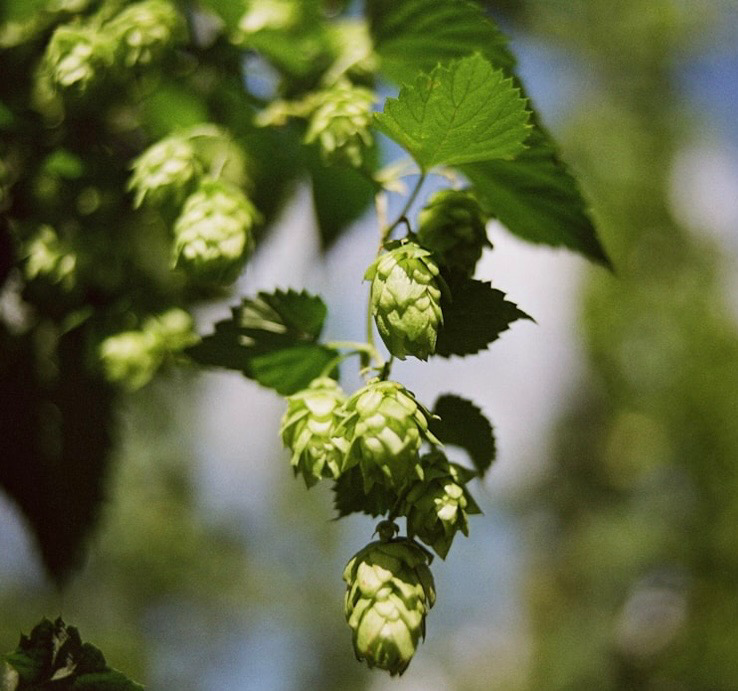
Throughout the growing season, canopy management is vital. Irrigation, where required, is carefully controlled to avoid stress during flowering and cone set. Integrated pest and disease management protects against mildew and aphid pressure, safeguarding both yield and alpha-acid development. Timing is critical: hops are harvested when cones reach optimal maturity, with careful attention paid to dry matter content, aroma profile and alpha levels.
Post-harvest, hops are dried to precise moisture specifications to preserve essential oils and prevent degradation before being conditioned, baled or pelletised under controlled conditions. Every stage, from soil preparation to processing, directly influences the aroma, bitterness and character ultimately expressed in the glass.
At Atlantic Archipelago, we understand that hops are more than a brewing ingredient; they are a cultivated expression of land, climate and craft. Through close collaboration with our growers, we ensure that the varietal character, freshness and quality of our hops meet the standards demanded by our brewing philosophy.