Barley: Where Great Beer Begins
Great beer begins in the soil. Both winter and spring barley demand well-drained, fertile land with careful stewardship and balance. Light to medium loams, rich in structure and managed to a pH of around 6.0–7.0, provide the ideal foundation for strong root development and healthy growth. Barley does not thrive in poorly structured or waterlogged ground and requires attentive farming and considered soil management.
Norfolk, in particular, offers exceptional conditions for barley cultivation. Its free-draining sandy loams and chalk influenced soils allow for excellent root penetration and moisture regulation, while the county’s relatively dry climate and high sunshine hours reduce disease pressure and promote even ripening. These natural advantages have long established Norfolk as one of Britain’s foremost malting barley regions with East Anglia often being referred to as the “Breadbasket of Britain”.
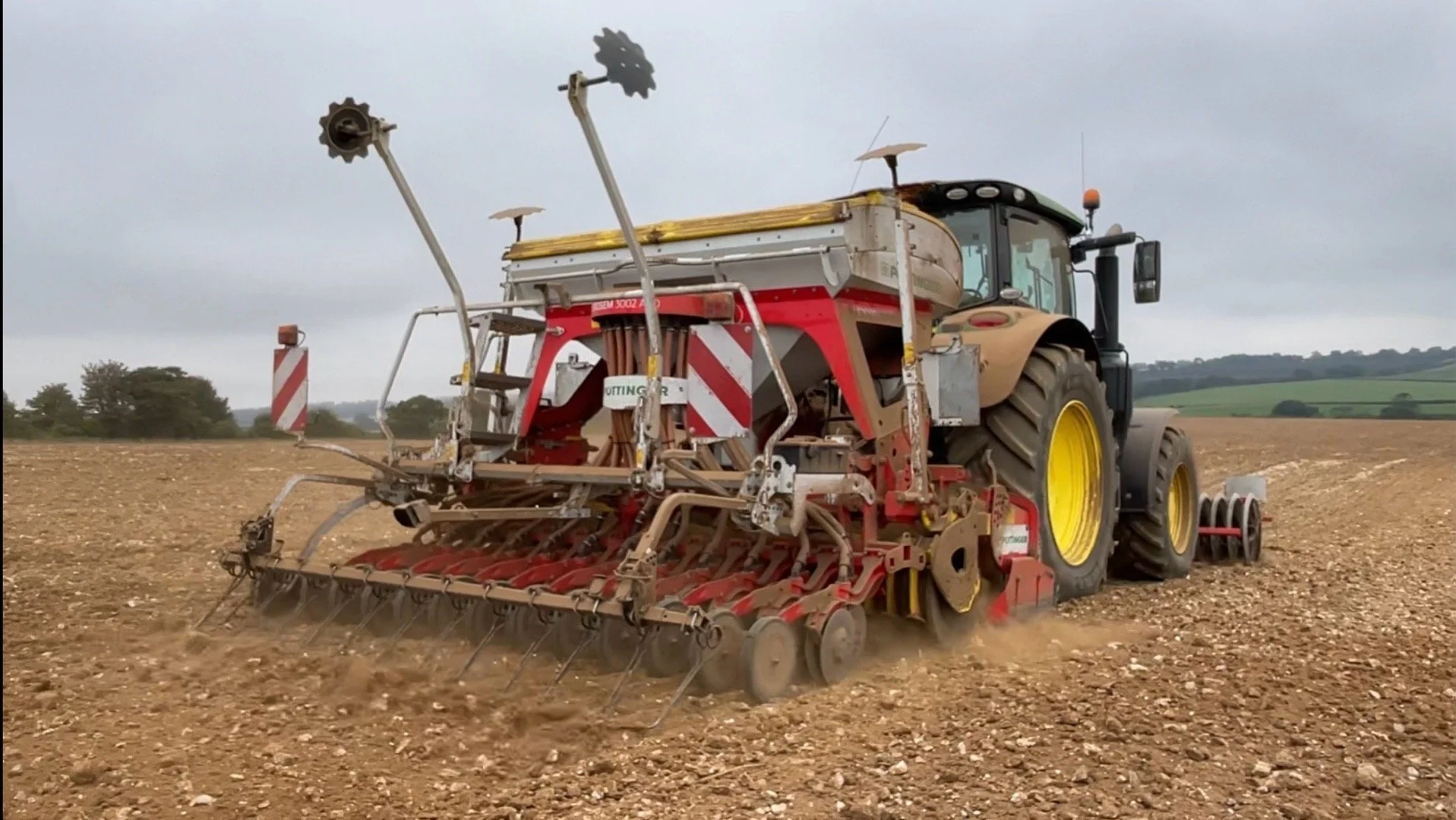
The cycle begins with detailed soil assessment following the previous harvest. Cultivation strategies whether plough-based or minimum tillage are selected to manage residues, alleviate compaction and preserve soil structure. Secondary cultivations create a fine, firm seedbed to encourage even germination and strong establishment. Drilling is undertaken in optimal soil temperature and moisture conditions, with seed rates carefully calculated according to variety, sowing date and expected tiller numbers.
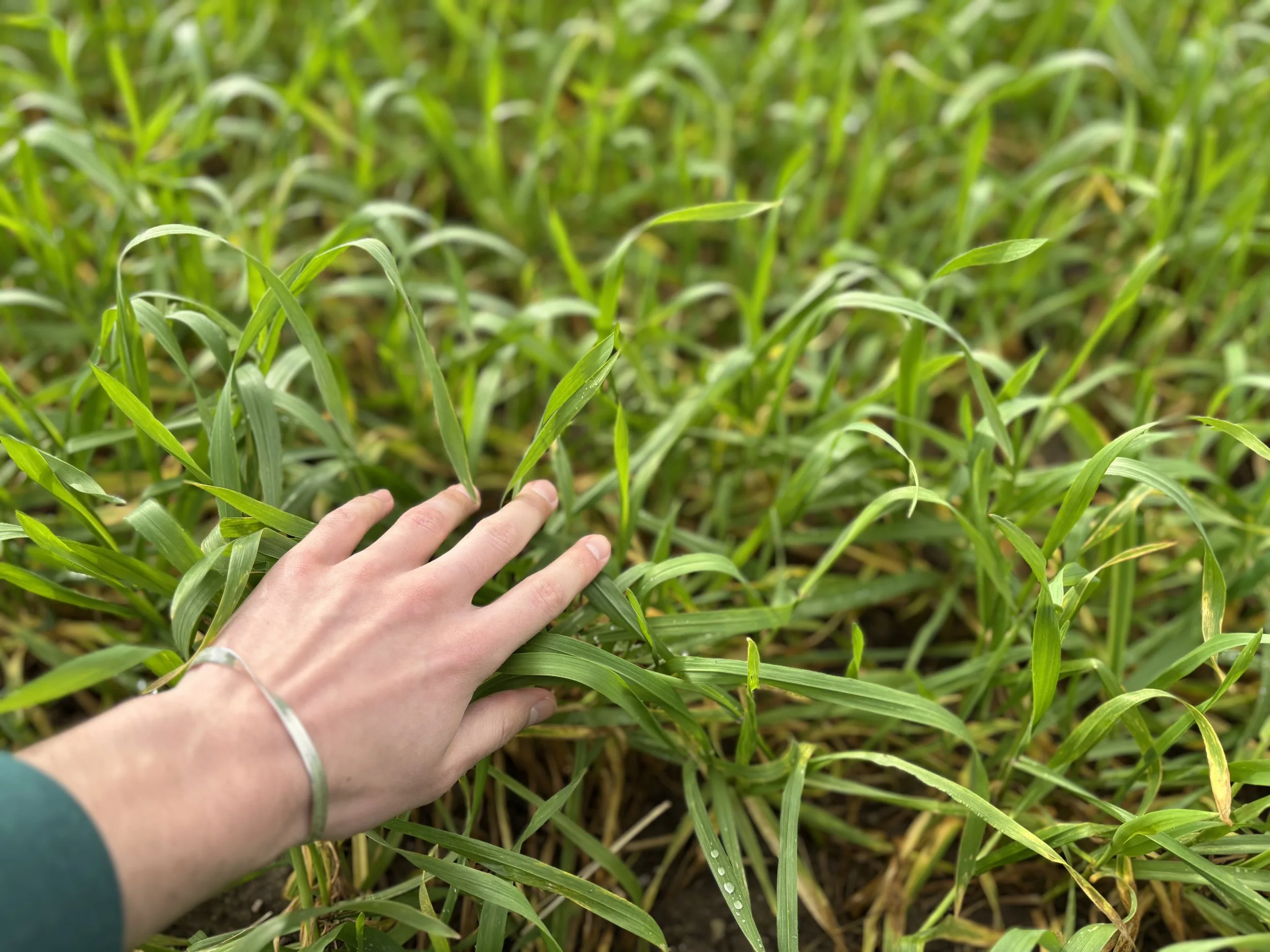
Winter barley, sown into autumn fields, draws on early nitrogen and sufficient phosphate to promote root development and tillering before dormancy, building resilience that carries it through to harvest. Nitrogen applications are split through the spring to support canopy development and grain fill. Spring barley, particularly destined for malting requires even greater precision. Nitrogen levels are tightly controlled to achieve the desired grain protein for brewing specification, while balanced applications of phosphate, potash and sulphur ensure efficient nutrient uptake, straw strength and grain quality.
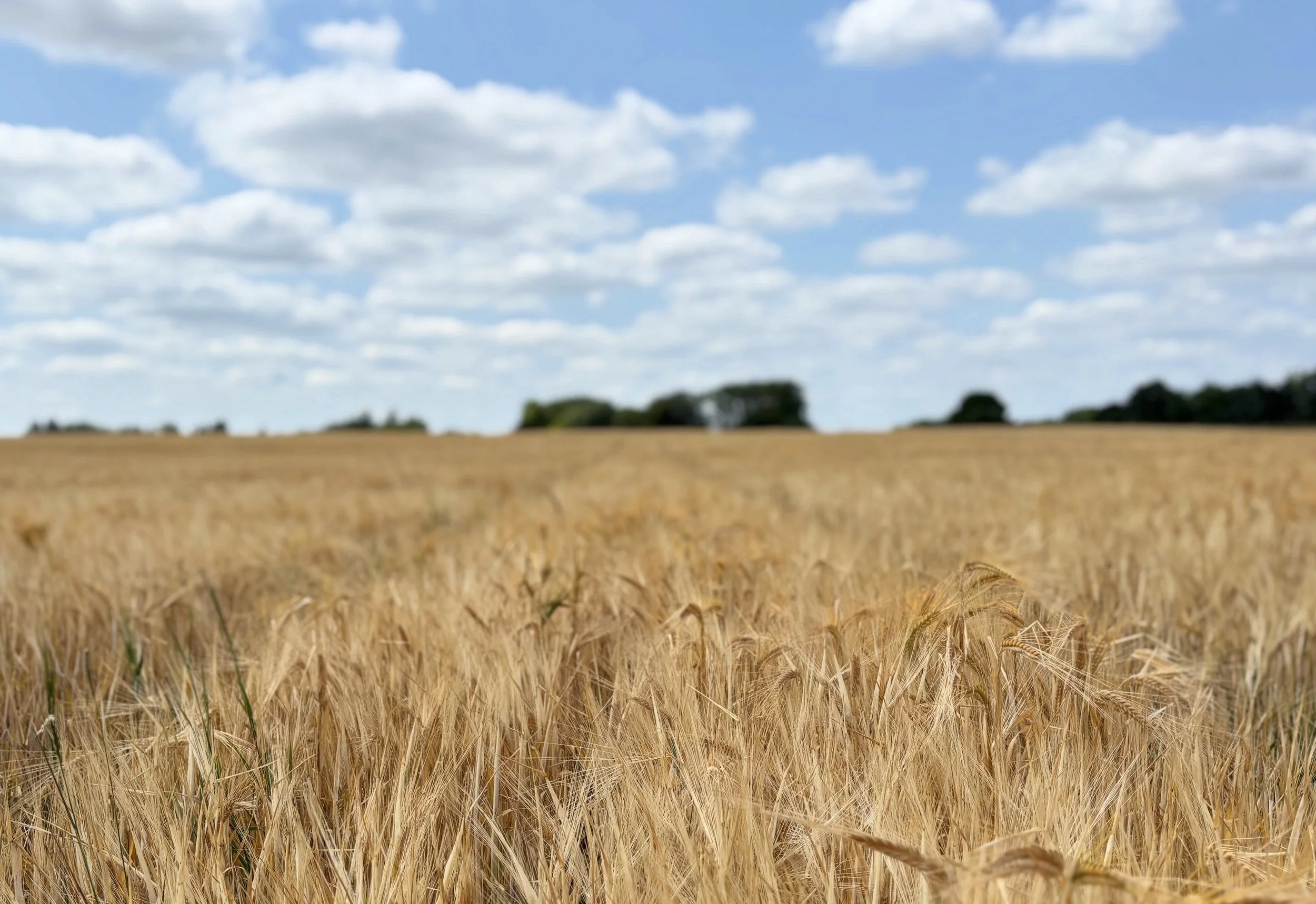
Throughout the growing season, crops are monitored through a structured agronomy programme, managing weeds, disease pressure and lodging risk to protect yield and consistency. At harvest, grain is combined at the correct moisture level, dried carefully and stored under controlled conditions to preserve malting performance.
At Atlantic Archipelago, we recognise that exceptional beer is not simply brewed, it is grown. From cultivation through to storage, the character of every pint begins long before the mash tun, rooted firmly in farmland and guided by precision, expertise and respect for the land.