
St Pancras: The Railway Station Built Around Beer
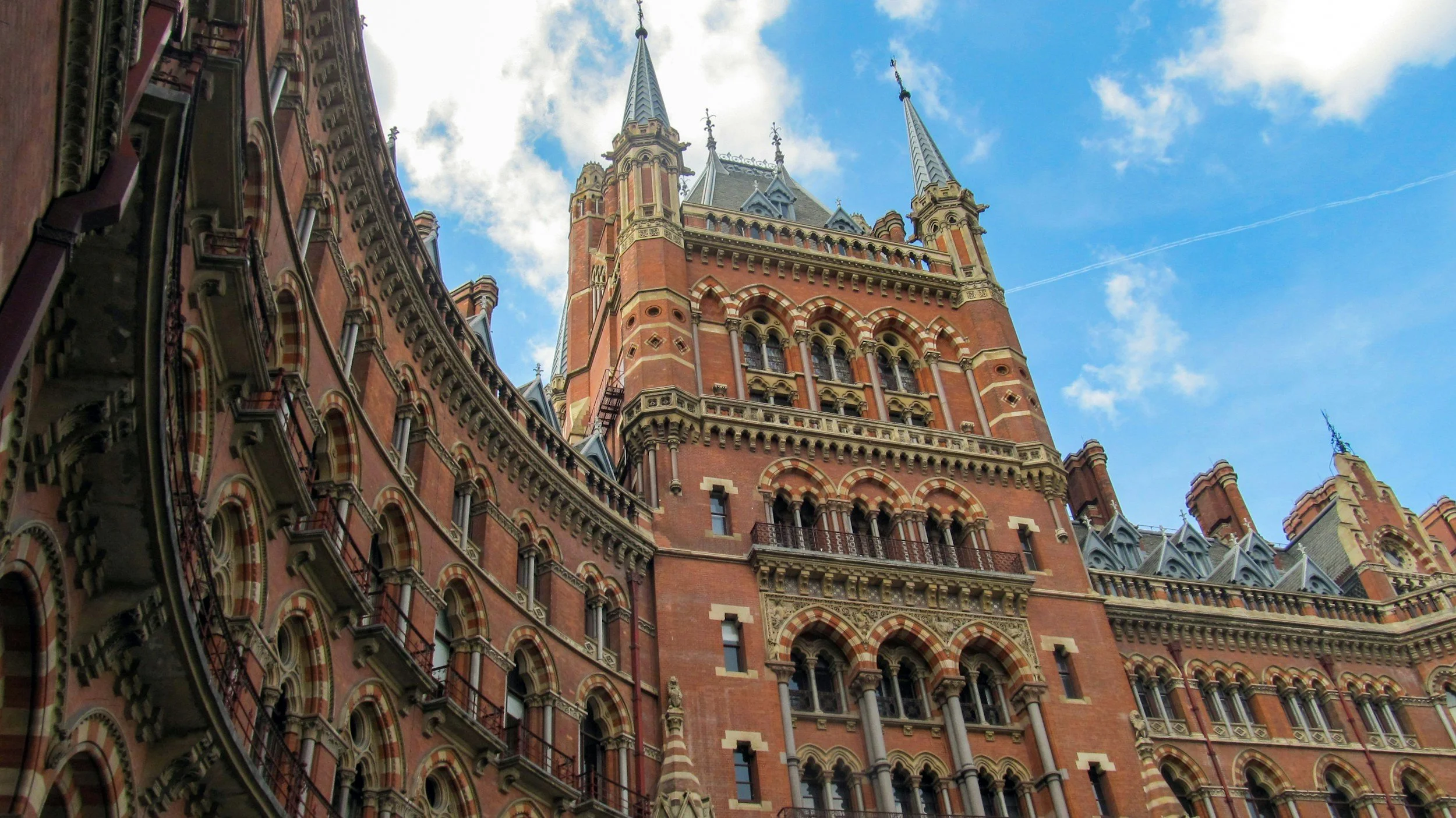
When St Pancras railway station opened in 1868, it was more than a passenger terminus. Beneath its magnificent Victorian train shed lay a vast warehouse designed to handle one of Britain’s most important trades: beer.
Burton-upon-Trent had become a major brewing centre, supplying enormous quantities of beer to London. The Midland Railway provided a direct route south, and St Pancras became a vital link between Burton’s breweries and the capital’s public houses.
Remarkably, the station’s supporting columns were arranged with the storage of beer barrels in mind. Standing approximately 14 feet apart, they created bays beneath the railway tracks that could accommodate the handling and storage of casks.
Hydraulic lifting equipment helped move railway wagons into the undercroft, where barrels could be stored before onward distribution across London. A traditional beer barrel held 36 imperial gallons, equivalent to 288 pints, making the scale of the operation considerable.
As road transport developed, railway beer distribution declined, and the operation at St Pancras eventually ended in the 1960s.
Today, the station is celebrated for its architecture and international rail services. Yet its history reveals a fascinating connection between British brewing, Victorian engineering and the railways that helped bring beer from the Midlands to the capital.